Why Dive with Everyone Else?
Want to stretch your dive budget and skip the underwater traffic? Heading to a destination during its low season can mean massive savings and far quieter reefs.
While this isn’t an exhaustive list, here are 10 top-tier low-season dive spots worth serious consideration. Whether you’re chasing deep discounts or unique off-season marine life, these ideas will help you plan a cheaper, crowd-free getaway.

1. Bali
Low Season: January – March, October – November
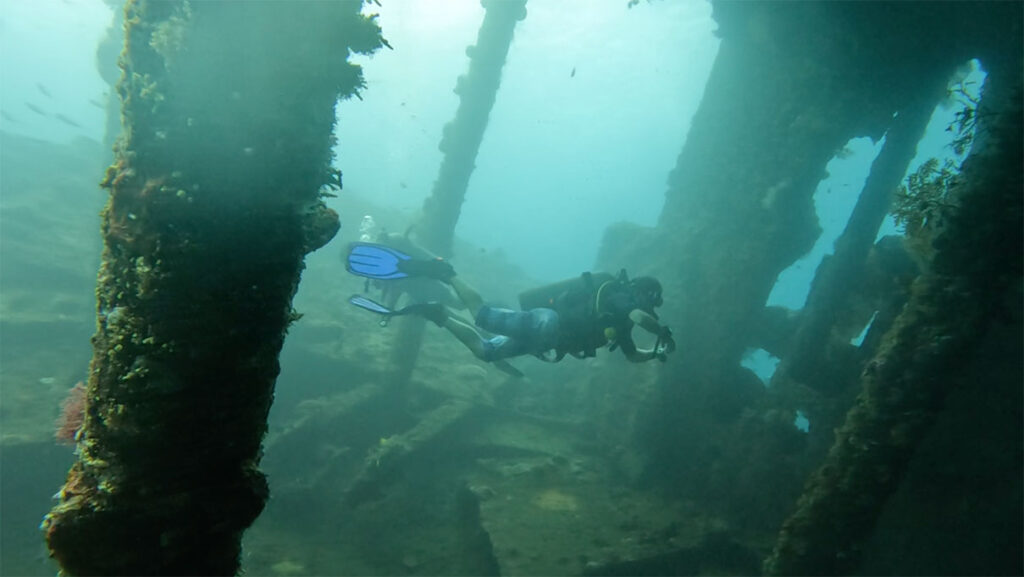
Indonesia’s most famous island gets packed during peak months. In the high season, famous dive sites like the USAT Liberty wreck can have lines of divers waiting to drop in, making the cargo hull feel crowded and rushed.
During a site inspection in February, right in the middle of the low season, we had almost the entire wreck to ourselves. Another perk of visiting now is navigating the island: Bali’s narrow, winding village roads are far less congested, making it much easier to travel between Nusa Penida in the south, Amed in the east, and Menjangan Island in the north.
Note on Water Temps: Unlike what many expect, low-season (monsoon) water in Bali is actually at its warmest (~82–84°F / 28–29°C), so a standard 3mm suit or rashguard is plenty.
2. Belize
Low Season: May – November
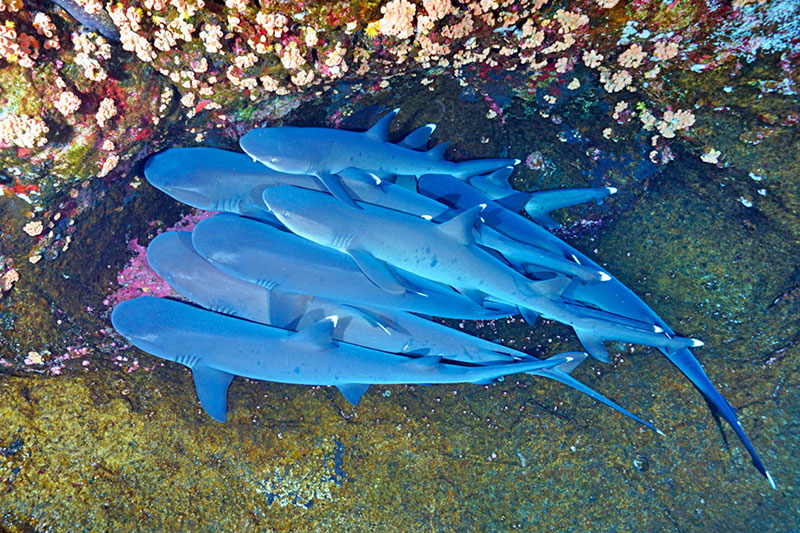
Visiting during the shoulder months of May and June gives you a great shot at spotting whale sharks with far fewer crowds of snorkelers competing for space. Signature dive sites like the Blue Hole host significantly fewer boats, and you’ll enjoy much lower rates across the board.
From June to September, you’ll also have chances to spot hammerhead sharks, alongside Belize’s famous resident West Indian manatees (often mistaken for their Indo-Pacific cousins, dugongs!).

3. Bonaire
Low Season: April – October
As one of the Caribbean’s premier shore-diving capitals, Bonaire can get busy. Visiting during the low season yields lower rates, quieter reefs, and total freedom as you truck-hop from one dive site to the next without fighting for entry spots.
Plus, cruise ship traffic drops off significantly. Conveniently located outside the main hurricane belt, Bonaire remains warm and arid year-round, making its “wet season” one of the best low-season bets in the Caribbean.
4. Cayman Islands
Low Season: June – October
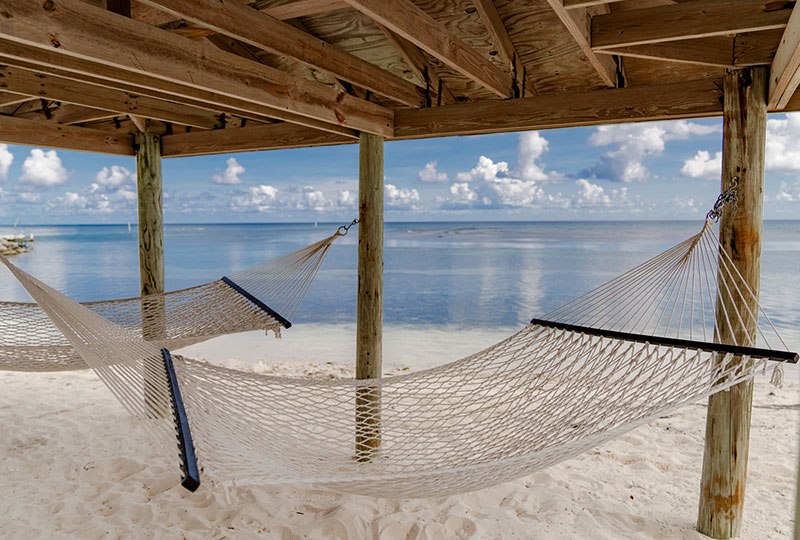
The Cayman Islands offer world-class diving, but high-season prices can be steep. Planning an off-season trip delivers significant savings on accommodations and dive packages.
While late summer and early fall sit right in the peak of Atlantic hurricane season—so purchasing travel insurance is a must—calm days bring incredible visibility and quiet reefs. Expect stronger winds at Little Cayman and Cayman Brac, but iconic spots like Bloody Bay Wall remain absolute highlights.

5. Cozumel
Low Season: June – October
Cozumel sees its heaviest tourist traffic in the winter, but ironically, that’s when weather can be most unpredictable; December and January “Norte” winds frequently force harbors to close.
By contrast, the summer low season brings some of the calmest sea conditions and crystal-clear visibility. May is an ideal shoulder month to catch nesting loggerhead turtles and seasonal whale shark sightings nearby.

6. Curaçao
Low Season: May – November
Just like neighboring Bonaire, Curaçao sits safely outside the hurricane belt, making it a reliable off-season getaway. Its “rainy season” is exceptionally mild, giving you sunny skies, lower accommodation rates, and peaceful, uncrowded dive sites. Trade winds may ruffle the surface occasionally, but they rarely impact the stellar underwater visibility.
7. Maldives
Low Season: May – November
If you want to experience the Maldives on a budget, the low season (the Southwest Monsoon) is the time to go. While liveaboard rates stay fairly steady, airfare drops significantly, and luxury overwater bungalows offer massive off-peak discounts.
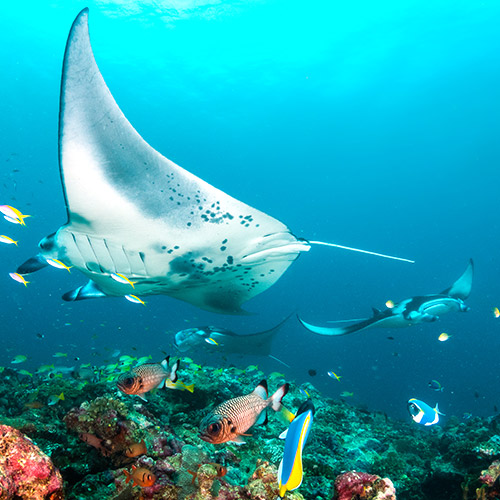
Seas can occasionally be choppy, but visibility remains solid, and seasonal plankton blooms draw in impressive aggregations of mantas and whale sharks.
8. Red Sea (Egypt)
Low Season: December – February
The Egyptian Red Sea has two off-seasons: the blazing mid-summer heat and the cooler winter months. Winter is often the sweet spot for divers.
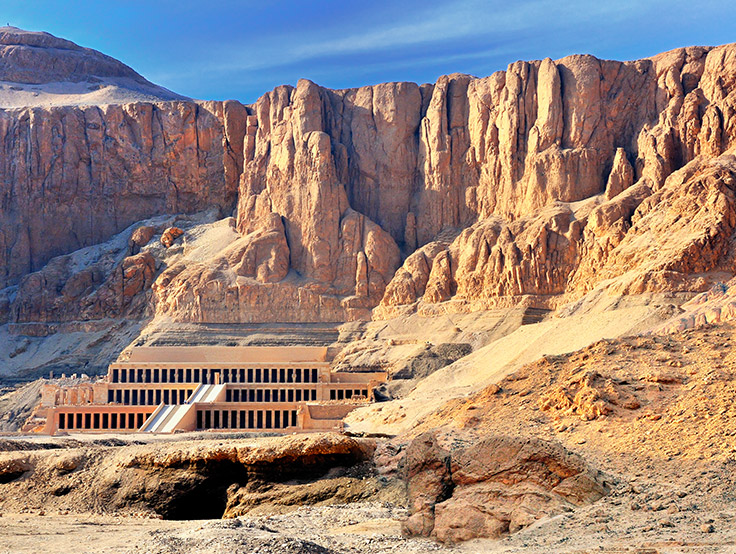
Air and water temperatures drop (you’ll want a 5mm suit), but the cooler waters yield fantastic visibility and uncrowded reefs. As a bonus, winter is also the low season along the Nile, meaning you can tour ancient temples without pushing through heavy tourist crowds.
9. South Africa
Low Season: June – August
North American summer aligns with South Africa’s winter, making it an incredibly cost-effective time to visit thanks to lower airfares, hotel deals, and off-peak safari rates.
While historically famous for Great Whites, most cage-diving operators in spots like Gansbaai now primarily encounter inquisitive Bronze Whaler sharks (due to recent shifts in local marine predator dynamics). It remains an exhilarating, action-packed cold-water adventure.
10. Tahiti
Low Season: November – April
Looking to escape the winter freeze back home? Tahiti’s low season falls during the Southern Hemisphere’s summer (November to April).
Because it’s the warmer, tropical wet season, surface air and water temperatures stay balmy (~82–84°F / 28–29°C), with brief tropical showers breaking up the humidity. It’s a fantastic time for pelagic encounters, including schooling eagle rays and hammerhead sharks in the passes.
