Derawan Islands
Hard to Reach, But Worth the Voyage
Somebody wrote that “life is a journey, not a destination.”
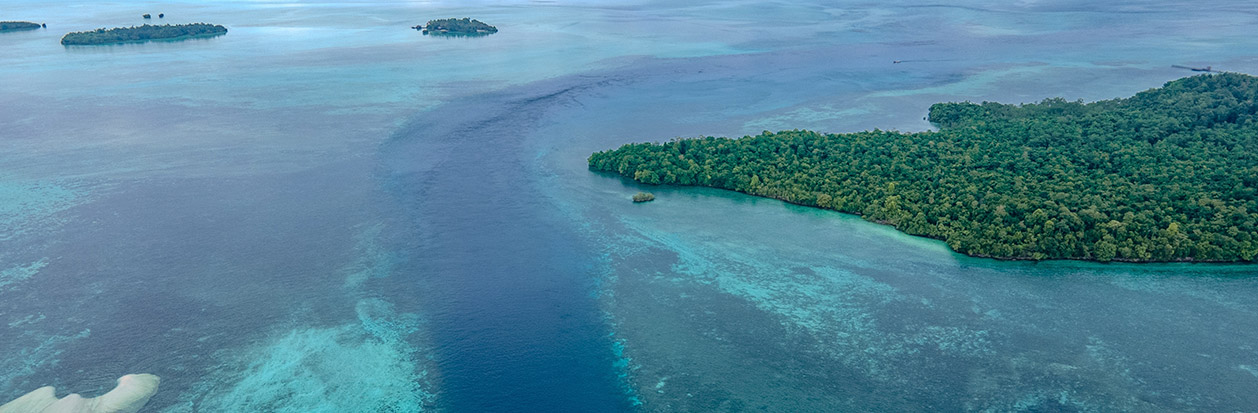
It’s safe to assume that writer never traveled to the Derawan Islands. Derawan requires a long journey that’s not very enjoyable, but it’s worthwhile for the final destination: a tropical paradise with biodiverse coral reefs and strong currents that draw legions of pelagic animals. It’s the “Sipadan of Indonesia.”
Best Time to Travel: High Season: March-Oct. Diving: Boat and Shore Diving. Unique Marine Life: Sea Turtles, Manta Rays, Blacktips, Whitetips, Thresher Sharks, Hammerheads, Epaulette Sharks, Jacks, Barracudas, Pygmy Seahorses, Cuttlefish, Fusiliers, Blue-Ringed Octopus, Ghost Pipefish, Hard and Soft Corals. Level: All. Sea Temps: 82°F Year-Round. Air Temps: Average 82°F. Accommodations: Land-Based Resorts and Liveaboards. Other Adventures: Jellyfish Lake, Jungles of Borneo, Wild Orangutans.


Diving
Liveaboards
Adventures
Scuba Diving in Derawan
There are 31 islands in Derawan (including ‘Derawan Island,’ the namesake of the archipelago). No matter where you stay, you’ll probably do most of your diving at the islands of Maratua, Kakaban, and Sangalaki. Together, they offer a complete buffet of diving styles and wildlife encounters.


You will enjoy Derawan…
If You Enjoy Biodiversity
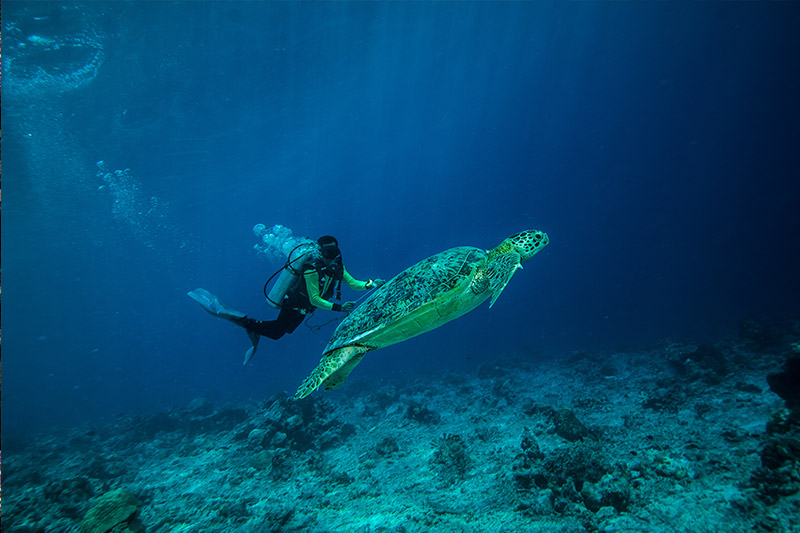
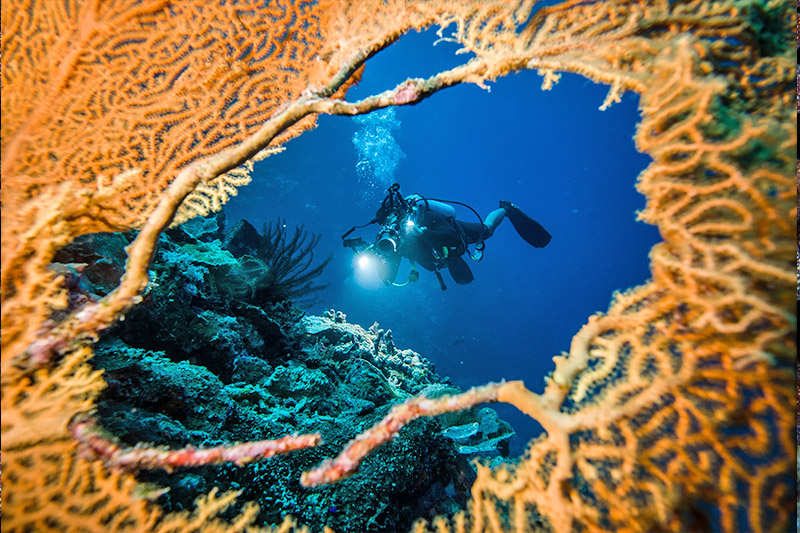
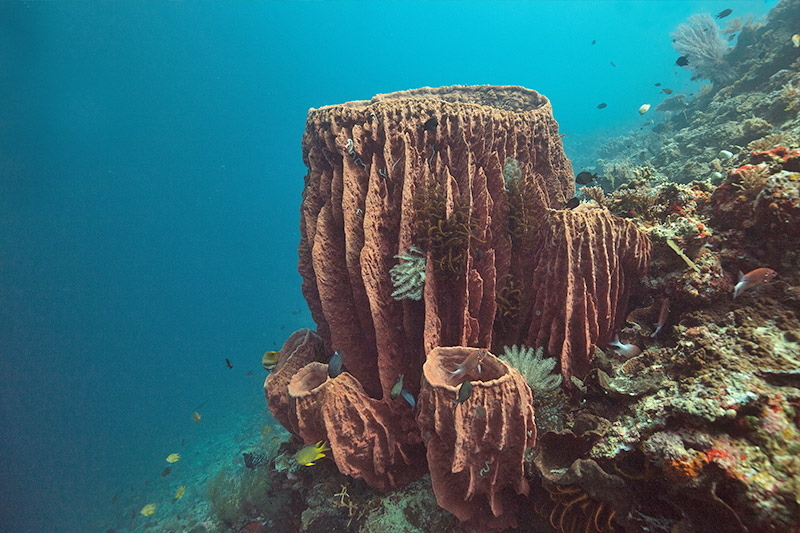
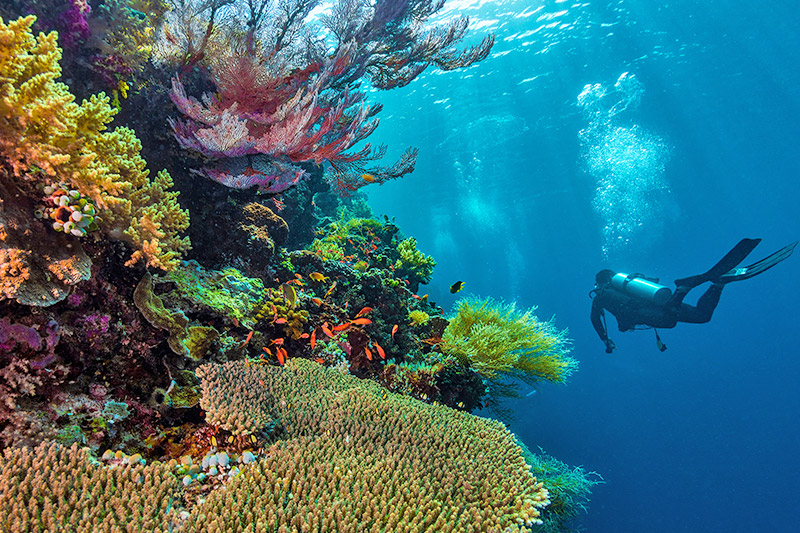
There’s a nice variety of marine habitats to explore. Maratua is the queen, with critter-abundant reefs and beautiful cabbage coral. Kakaban has lovely walls, and Sangalaki contains over 500 species of coral and manta ray cleaning stations. Derawan is located in the Coral Triangle, so be prepared to look for reef dwellers, critters, and pelagic animals on a single dive. Like Sipadan, there’s a staggering number of sea turtles here.
If You Enjoy Using Reef Hooks
Drift diving enthusiast? You’ll love the currents at Maratua and Kakaban, which foster a pelagic parade of schooling jacks and barracudas, giant grouper, reef sharks, zebra sharks, and sometimes hammerheads.
If You Don’t Mind a Long Journey
The Derawan Islands aren’t visited by too many divers because they’re difficult to reach, requiring 2 connecting flights after you’ve landed in Asia, followed by a boat voyage. But there’s always a reward for patience; here’s your chance to see pristine reefs that fewer divers have laid their eyes on.
Arenui
Style: Phinisi (traditional Indonesian sailing vessel)
Length: 141 feet
Accommodates: 16 guests and 24 crew members
Arenui was sustainably built by local craftsmen — the wood is 70% recycled and intricately carved with indigenous artwork. Her enchanting atmosphere mirrors the natural splendor of the Indonesian islands, yet she’s full of modern creature comforts: plush lounges, delicious cuisine, spa treatments, and spacious sun decks.
Arenui carries two dive tenders to ferry divers to and from the dive sites. There are air conditioned charging stations for your scuba gear and wide spaces for hanging your gear up to dry.
Voyages: Derawan Islands, Nusa Tenggara, Banda Sea, Raja Ampat
The islands are small and not very well-developed, so there aren’t many topside attractions apart from whatever’s offered by your resort. Jellyfish Lake is one exception; you can snorkel with thousands of non-stinging jellyfish.
The topside adventure lies mostly on the Indonesian side of Borneo (Kalimantan). If you’re able to embark on a 3-week vacation, you can explore the jungles of Borneo after your diving ends. The island is a natural paradise with dense jungle and biodiverse wildlife. It’s also one of two places in the world where you can see wild orangutans.
